
The "Ready-to-Drink" (RTD) market has expanded at a dizzying pace, but as any enthusiast knows, the quality varies wildly. If you’ve ever wondered, “Are canned cocktails actually good?” the answer depends entirely on what’s inside the can.
To find a bar-quality experience, you have to look past the label. The best options on the shelf share three specific markers: a distilled spirit base, a balanced 10% ABV, and the use of real, recognizable sweeteners like maple syrup or honey.
The Foundation: Spirit-Based vs. Malt-Based
The single biggest factor in a canned cocktail’s quality is the base alcohol. This is where most mass-market brands cut corners.
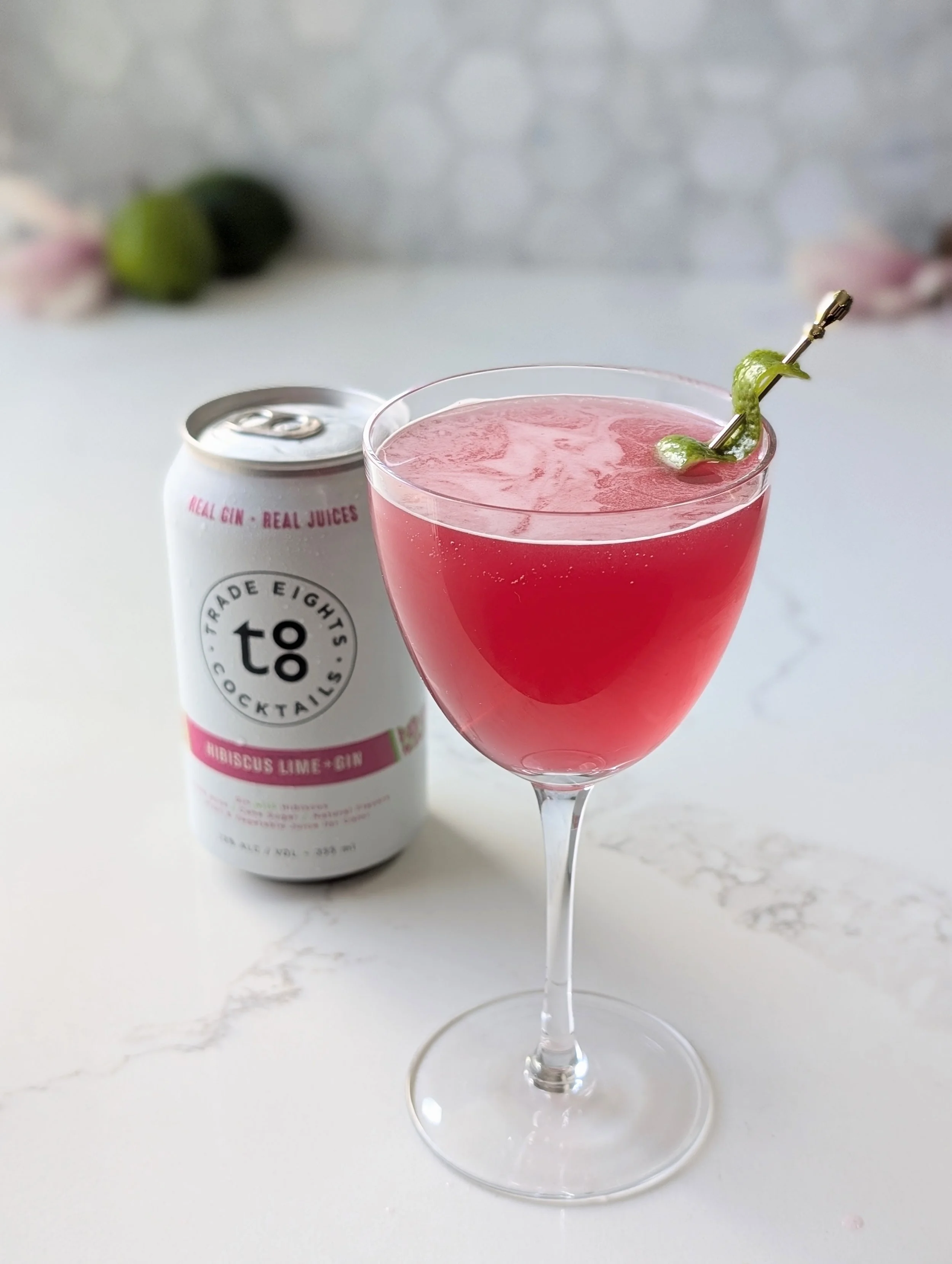
Malt-Based: Many "big brand" cans are actually flavored malt beverages—the same fermented grain base used for beer. These often have a synthetic aftertaste and require heavy sugar to mask the maltiness.
Spirit-Based: Premium canned cocktails use real distilled spirits—vodka, gin, or bourbon whiskey. This provides a clean, crisp foundation that allows the other ingredients to shine without a lingering "brewed" finish.
The 10% ABV "Goldilocks Zone"
In the world of craft cocktails, balance is a technical requirement. While many brands offer "light" versions at 4–5% ABV, these often lack the body and presence of a true cocktail.
Why 10% Matters: At 10% ABV, a canned cocktail achieves the "Goldilocks Zone." It has enough spirit to provide the viscosity and mouthfeel of a hand-shaken drink, but it isn't so "hot" that it overpowers the delicate botanicals.
Ice Resistance: A 10% ABV drink stands up perfectly to being poured over ice. It maintains its flavor profile even as the ice begins to melt, ensuring the last sip is as balanced as the first.
Beyond the Label: Sweeteners and Texture
Additional important differentiators are the sweetening agent and the acid. High-quality cocktails focus on depth of flavor rather than just "sweetness."
Natural Sweeteners: Look for brands that utilize maple syrup, honey, or pure cane sugar. Unlike high-fructose corn syrup, these ingredients provide a rounded mouthfeel and a natural earthy note that complements the charred oak of a bourbon or the juniper notes of a gin.
Real Citrus Juice: A quality cocktail needs real acid to balance the sugar. Check for real grapefruit, lemon, or lime juice on the label. Real juice provides a bright, sharp finish and depth of flavor that synthetic citric acid simply cannot replicate.
The Ritual: Serving for the Best Experience
The Craft Checklist
Spirit-Based? Always.
The Proof? 10% is the goal.
The Prep? Gently shake, then pour over ice.
While the convenience of a can is valuable, the best way to enjoy a craft RTD is actually in a glass. Taking it out of the can changes the sensory experience entirely.
The Shake: High-quality cocktails use real juices and ingredients that can naturally settle. Before opening, give the can a gentle shake or a few quick turns to ensure the flavors are perfectly incorporated.
The Pour: Always pour a premium canned cocktail over fresh ice.
The Aeration: The act of pouring helps aerate the liquid, releasing the aromatics of the spirits and the citrus. This small step makes the drink virtually indistinguishable from a freshly mixed pour at your favorite local bar.
The Verdict
The next time you are browsing the aisles, ignore the flashy branding and look at the proof and the base. By choosing spirit-forward, 10% ABV options with real-food ingredients, you ensure your "cocktail hour" is actually worth the time.