
Why Cocktails and Music Have Always Gone Together
There are certain combinations that simply belong together. Vinyl and rainy nights. Neon signs and crowded dance floors. A cold cocktail in hand while the opening chords of your favorite song fill the room.
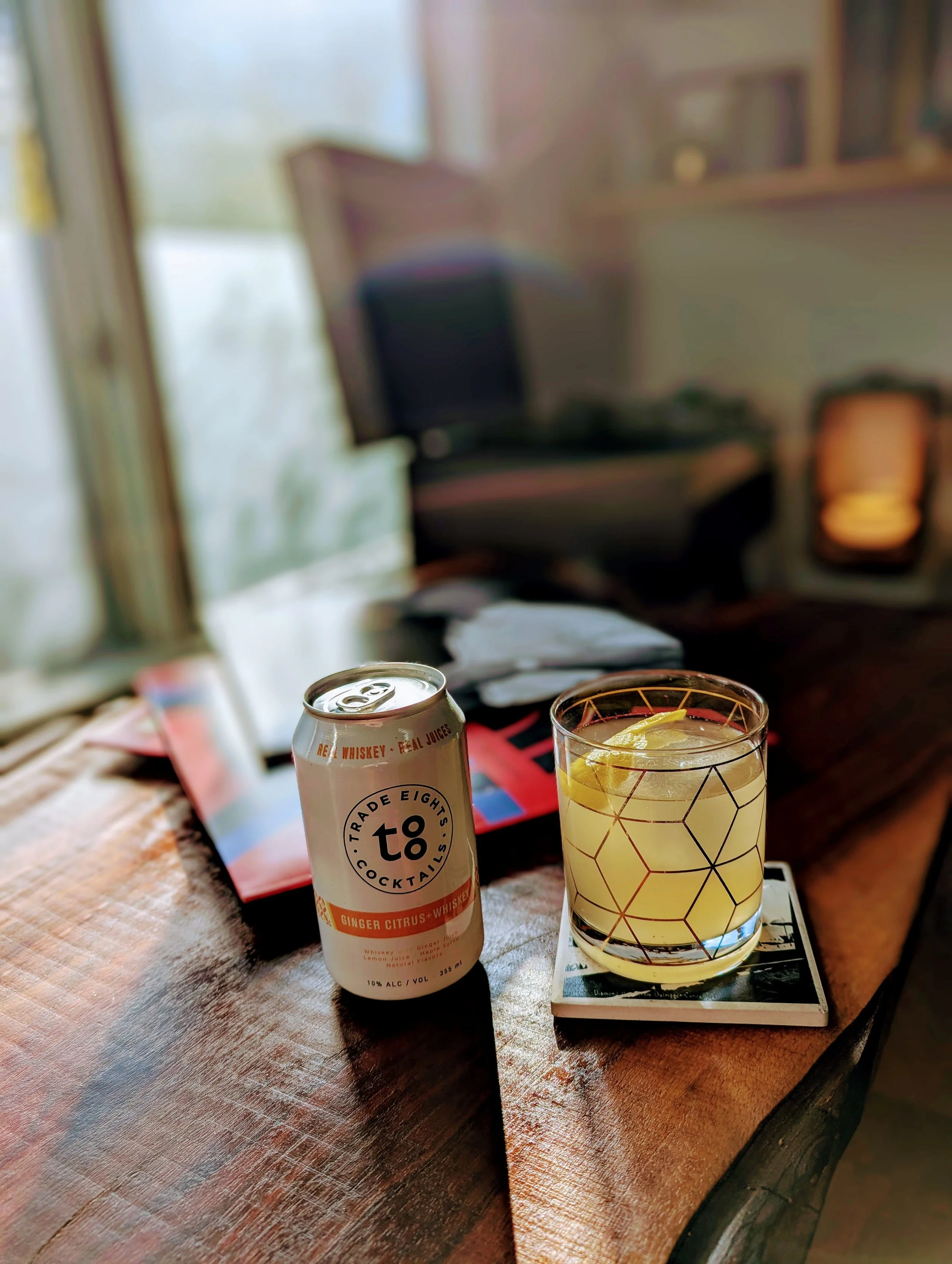
For generations, cocktails and music have shaped the way people gather, celebrate, and connect. From jazz-filled speakeasies in the 1920s to tropical tiki bars soundtracked by surf rock, drinks and music have always shared the same purpose: creating atmosphere.
One changes the mood. The other becomes the memory. And together, they turn ordinary nights into stories people talk about for years.
Where the Relationship Began
Long before modern cocktail bars existed, music and drinking culture were already deeply connected. Taverns and public houses across Europe and early America weren’t just places to grab a drink; they were gathering spaces. Travelers exchanged stories, local musicians played late into the night, and communities formed around shared experiences.
As nightlife evolved, so did the soundtrack behind it. In New Orleans during the late 1800s, cocktails and the earliest forms of blues and jazz grew up side by side. Saloons and music halls became cultural centers where people escaped the heat, the noise of the city, and the pressures of everyday life. The Sazerac, one of America’s earliest cocktails, emerged from this same era, carrying with it the bold, layered character that mirrored the improvisational spirit of the music itself.
Then came Prohibition.
Speakeasies, Jazz, and the Birth of Modern Cocktail Culture
When alcohol was outlawed in the United States in the 1920s, underground bars known as speakeasies took over nightlife culture.
Hidden behind unmarked doors and back alleys, these spaces became home to musicians, artists, and rule-breakers looking for connection and escape. Jazz became the soundtrack of rebellion, while bartenders experimented with citrus, herbs, bitters, and syrups to improve the taste of bootleg liquor.
Many of today’s classic cocktails rose to popularity during this era. But the drinks were only part of the experience.
Music transformed those rooms into something unforgettable. The energy of a live band, the closeness of crowded tables, the haze of conversation drifting through dim lighting; it created an atmosphere people couldn’t find anywhere else.
That feeling still defines great cocktail bars today.
Different Drinks, Different Soundtracks
Every cocktail carries a mood. And for decades, certain styles of drinks have naturally gravitated toward certain styles of music.
Jazz and Whiskey
Few pairings feel more timeless than whiskey and jazz. Both are layered, complex, and best appreciated slowly. An Old Fashioned beside a crackling vinyl record feels less like a trend and more like a ritual.
Tiki Cocktails and Surf Rock
In the 1950s and 60s, tiki bars broadened in appeal alongside surf culture and tropical escapism. Rum punches, Mai Tais, and exotic garnishes were paired with upbeat rhythms and warm-weather optimism. The goal wasn’t just drinking … it was transportation.
Disco and Vodka Cocktails
The disco era brought sleek nightlife, mirrored dance floors, and cocktails built for movement. Martinis, champagne cocktails, and vodka sodas became staples of high-energy evenings that blurred the line between elegance and chaos.
Craft Cocktails and Indie Culture
Today’s cocktail revival feels deeply connected to modern music culture. Small-batch spirits, natural ingredients, curated playlists, intimate venues, and creative experimentation all reflect a growing appreciation for authenticity over mass production.
People want experiences that feel personal. Not manufactured ones.
Why the Pairing Still Works
A great cocktail and a great song do the same thing; they pull you deeper into the moment. Both shape emotion almost instantly. One sip can slow down a conversation. One song can completely shift the energy of a room. Even science backs it up. Studies have shown that music can influence how people perceive flavor, sweetness, bitterness, and aroma. A bold soundtrack can make a drink feel richer and more intense, while softer music can highlight subtler notes.
But most people don’t need science to understand it. They’ve already felt it. The perfectly timed song during a late-night conversation. The first drink after a concert. The playlist that somehow made summer feel bigger than it really was. Cocktails and music don’t just complement each other, they amplify each other.
Playlists Are the New Pairing Menu
Today, bars and beverage brands curate playlists the same way chefs curate menus. Music has become part of flavor itself. A smoky bourbon cocktail feels different with blues playing in the background. Bright citrus drinks feel more alive with upbeat rhythms and open-air energy. Now, canned cocktails have evolved beyond convenience; they represent occasions, moods, and experiences.
People don’t just ask: “What are we drinking?” They ask: “What’s the vibe tonight?” That shift says a lot about modern culture. People are craving experiences that feel real, shared, and memorable. The best nights are rarely overplanned. They unfold naturally, one drink, one song, one conversation at a time.
A Pacific Northwest Tradition of Atmosphere
In the Pacific Northwest especially, cocktails and music are part of the same social fabric. They can show up everywhere: at neighborhood bars after live shows, around backyard fires on cool summer nights, during long conversations at breweries, rooftop gatherings overlooking the water, and weekends spent chasing festivals or finding hidden venues. The atmosphere matters here. People care about craftsmanship. About authenticity. About finding places and experiences that feel grounded rather than performative. That’s part of why music and cocktails continue to resonate together so naturally. Neither is just about consumption. They’re about connection.
Final Pour
For centuries, cocktails and music have helped define how people celebrate, gather, and remember moments together. One sets the rhythm. The other invites people to stay awhile. And whether it’s jazz in a dimly lit speakeasy, surf rock at a beach bar, or a perfectly curated playlist shared over canned cocktails with friends, the experience remains the same: good drinks and good music make people feel something. That never goes out of style.
